(To see other currencies, click on price)
MORE ABOUT THIS BOOK
Main description:
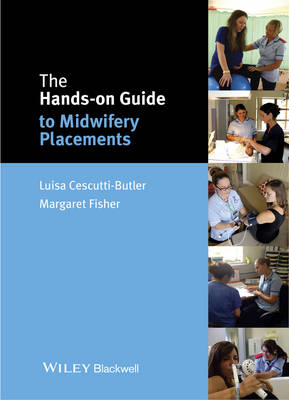
The perfect companion for student midwives in clinical settings, packed full of useful and practical information to help guide and enable you to get the best out of your midwifery placements. This compact, portable text includes what to expect on each type of placement whether it be working in a low or high risk environment from how to prepare for practice, what you can anticipate whilst you re there, the key essential skills to acquire, what pitfalls and problems to be aware of, and how to deal with them if they do arise. Each chapter contains Top Tips from current or recently qualified midwifery students, as well as real life student experiences and suggestions for further readings.
Back cover:
The perfect companion for student midwives in clinical settings, packed full of useful and practical information to help guide and enable you to get the best out of your midwifery placements. This compact, portable text includes what to expect on each type of placement whether it be working in a low or high risk environment from how to prepare for practice, what you can anticipate whilst you re there, the key essential skills to acquire, what pitfalls and problems to be aware of, and how to deal with them if they do arise. Each chapter contains Top Tips from current or recently qualified midwifery students, as well as real life student experiences and suggestions for further readings.
Contents:
Contributors ix
Foreword xi
Preface xiii
About the Editors xv
Acknowledgements xvii
List of Abbreviations xix
1 Introduction to midwifery and the profession 1
Susan Way
Introduction 1
Philosophy of care 1
What is the practice of midwifery? 1
Introduction to philosophy 1
Two opposing philosophies 2
Women s views of maternity care 6
Top ten tips for what women want from their midwives/student midwives 7
Watch your language 8
What is a midwife? 11
The nursing and midwifery council (NMC) 11
The NMC and midwifery education 15
The NMC and practice requirements 18
The NMC and assessment of practice 19
Raising concerns 21
Guidance on using social media and social networking as a student 22
Conclusion 26
References 29
Further resources 31
2 Preparation for practice 32
Henrietta Otley
Introduction 32
The theory practice gap 32
Work life balance 33
Shift work 34
Night shifts 35
Time management 37
Working with mentors 38
Multiprofessional/interprofessional working 39
Jargon and abbreviations 40
Practicalities 41
Support for you in placement 42
Having a specific learning difference and how this may impact you in the workplace 42
Other disabilities 44
Other sources of support 45
Conclusion 45
References 49
Further resources 49
3 Assessment of practice 50
Margaret Fisher
Introduction 50
Purpose 51
Process 53
Practice placements 53
Sign–off mentor 54
Ongoing achievement record (OAR) 58
Assessment document 59
Grading of practice 61
Practice progress review meetings (tripartites/triads) 64
Positives 67
Pitfalls 68
Preparation 69
Fitness to practise 71
Conclusion 74
References 75
Further resources 76
4 Low–risk midwifery placements 77
Jo Coggins
Introduction 77
People you may meet 77
Developing skills 80
Before birth 81
Pre–conception clinics 81
Booking Clinics 82
Antenatal clinics 83
Advising women over the telephone 85
Antenatal classes 85
During birth 86
Birthing centres 86
Homebirth 91
Care of women who are at low risk in high–risk areas 93
After birth 93
Dos and don ts for community working 95
Uniforms 96
Being with families in their homes 96
Conclusion 101
References 102
Useful reading 102
Further resources 102
5 High–risk midwifery placements 103
Margaret Fisher
Introduction 103
Learning opportunities available 104
Learning through observation and feedback 105
Learning from the interprofessional team 106
Learning about evidencebased practice 108
Learning about technology and interventions 110
Learning about more complex interpersonal and communication skills 112
Learning about decisionmaking and leadership 113
Types of high–risk placements 114
Antenatal clinic 115
Antenatal ward 116
Day assessment unit 117
Labour ward or central delivery suite 117
Postnatal ward 122
How to prepare 123
When you have a planned placement 124
When the unexpected happens 124
Dealing with the fallout 125
Conclusion 126
References 130
Further resources 131
6 Caseloading 132
Stella Rawnson
Introduction 132
Back to the beginning 132
What is student midwife caseloading practice? 133
Organisation of learning experience 133
Advantages of caseloading practice 134
Students views and experiences 135
A sense of feeling valued 136
Working more independently 136
Belief in self as practitioner 136
Organisational and leadership skills 136
Reflecting on personal priorities for care 137
Practicalities of planning and providing care (living the reality) 141
Building a personal caseload 141
Communication pathways 143
Role and responsibilities 145
Maintaining professional relationships 145
Safe and effective practitioner 146
Record keeping 146
Women s views and experiences 147
Wanting to contribute to student learning 147
Valuing continuity of carer 148
Enhanced care 148
Conclusion 148
References 150
7 Wider experiences 151
Margaret Fisher
Introduction 151
Learning opportunities 153
Interprofessional
teamworking 153
Communication and interpersonal skills 154
Clinical skills 154
Learning about conditions 157
Specific learning 158
Other useful experiences 165
Mental health 165
Other departments 166
How to prepare 167
Conclusion 169
References 172
Further resources 173
8 Student electives 174
Luisa Cescutti–Butler
Introduction 174
What is an elective placement? 174
How long are elective placements? 175
Reasons for undertaking an elective 175
What could you do in this period? 176
Staycation remain in your clinical location 176
Staycation with a twist remain within the Trusts where your University places midwifery students 178
UK based but outside the locality of your University placements 180
Overseas elective 181
Planning your expenses 187
Where can I get funding for an elective placement? 187
What sort of questions might you see on an application for funding form? 188
Budget planner 189
Erasmus Programme 189
Other ideas/opportunities
during your elective 192
What next following your elective? 193
Conclusion 194
References 196
Further resources 196
9 What next? 197
Faye Doris
Introduction 197
Preparing for interviews 197
Are you staying in the same unit? 198
Are you moving away? 198
Curriculum vitae 199
Format of CV 200
Pitfalls with CVs 200
Presentation of your CV 200
Personal statement 202
Covering letter 202
The actual interview 202
Things to do 202
Presentations 203
Tests as part of the selection process 203
Post–interview 204
Being professional 204
The Royal College of Midwives and UNISON 205
Supervisors of midwives 206
The Midwives in Teaching Project: what did this tell us? 206
Career opportunities 208
Clinical 209
Education 209
Research 209
Management 209
Rabbits in headlights 210
References 213
Further resources 213
Index 215
PRODUCT DETAILS
Publisher: John Wiley & Sons Ltd (Wiley–Blackwell)
Publication date: December, 2015
Pages: 240
Dimensions: 127.00 x 175.00 x 11.73
Weight: 322g
Availability: Not available (reason unspecified)
Subcategories: Diseases and Disorders, Midwifery, Nursing
From the same series