(To see other currencies, click on price)
MORE ABOUT THIS BOOK
Main description:
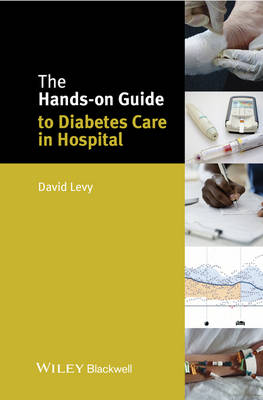
Highly Commended at the British Medical Association Book Awards 2016 3 am call: "Mrs X has a blood sugar of 23. Come and deal with it." "I think my insulin pen is called something like Solostar." The respiratory doctors started high dose prednisolone, and the patient s glucose is 18. What is the blood glucose target for this patient admitted with an acute coronary syndrome? Do you struggle with common diabetes problems in hospital practice? The Hands-on Guide to Diabetes Care in Hospital is an ideal companion for ward practitioners, providing answers to these and many other practical diabetes problems, helping you to deliver safe and effective care to patients. Using the best current UK and international guidance, The Hands-on Guide to Diabetes Care in Hospital presents succinct guidance on acute diabetes problems, blood glucose management, acute medical and surgical problems commonly complicated by diabetes and insulin and non-insulin agents, as well as preparing for discharge to the community.
With top tips, key points, questions to ask, treatment and follow-up advice in each chapter, this is an essential resource for all medical trainees and students who treat diabetic patients. Ward-based nurses, diabetes specialist nurses and pharmacists will also find a lot that is relevant to their practice.
Contents:
Preface, vii Abbreviations, x Part 1 Basics 1 1 Classification of diabetes 3 2 Targets for glycaemic control in hospital 6 3 Diagnosis of diabetes in hospitalised patients 8 4 Nomenclature 10 5 Outline of physiology 13 6 Diabetes specialist nurses: roles and responsibilities 17 Part 2 Acute diabetes problems 19 7 History taking in patients with diabetes 21 8 Assessment and initial management of patients presenting with high blood glucose levels to an emergency department 26 9 Diabetic ketoacidosis (DKA) 32 10 Hyperosmolar hyperglycaemic state (HHS) 40 11 Managing acute hypoglycaemia in the emergency department 46 Part 3 Acute medical and surgical problems commonly complicated by diabetes , 49 12 Presentation of cardiac disease in diabetic patients 51 13 Acute coronary syndromes and stroke 53 14 Secondary prevention after ACS 58 15 Acute pancreatitis 62 16 Infections in diabetes 66 Part 4 Insulin and non-insulin agents 85 17 Variable rate intravenous insulin infusion (VRIII, sliding scale UK; insulin drip USA) 87 18 Converting from VRIII to subcutaneous insulin 90 19 Writing safe insulin prescriptions 91 20 Insulin preparations in the UK 92 21 Commonly used insulin regimens 95 22 Emergency subcutaneous insulin regimens 100 23 Insulin substitutions in emergency settings 102 24 Non-insulin agents 104 Part 5 Blood glucose management on the wards 109 25 Managing patients you are asked to see with high blood glucose levels 111 26 Managing acute hypoglycaemia on the wards 115 27 Perioperative management of elective surgery 119 28 Enteral feeding 123 29 Glucocorticoid treatment 126 30 Safe discharge of diabetic patients from hospital 128 Part 6 Important odds and ends 131 31 Technology in diabetes 133 32 Inpatient screening schedule 142 33 Practical procedures 144 34 On-call guide to hyperglycaemic emergencies 154 Index 157
PRODUCT DETAILS
Publisher: John Wiley & Sons Ltd (John Wiley & Sons Inc)
Publication date: December, 2015
Pages: 176
Dimensions: 138.00 x 215.00 x 8.00
Weight: 316g
Availability: Available
Subcategories: Endocrinology, Medical Study and Teaching Aids
From the same series