
(To see other currencies, click on price)
MORE ABOUT THIS BOOK
Main description:
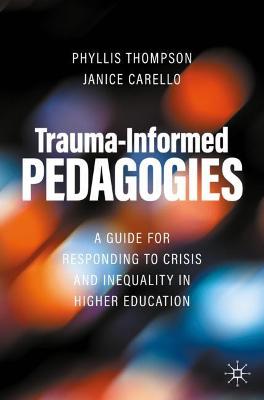
This book centers equity in the approach to trauma-informed practice and provides the first evidence-based guide to trauma-informed teaching and learning in higher education. The book is divided into four main parts. Part I grounds the collection in an equity approach to trauma-informed care and illustrates one or more trauma-informed principles in practice. Chapters in Part II describe trauma-informed approaches to teaching in specific disciplines. In Part III, chapters demonstrate trauma-informed approaches to teaching specific populations. Part IV focuses on instruments and strategies for assessment at the institutional, organizational, departmental, class, and employee levels. The book also includes a substantial appendix with more than a dozen evidence-based and field-tested tools to support college educators on their trauma-informed teaching journey.
Contents:
Introduction
Section I. INFUSING TRAUMA-INFORMED PRINCIPLES
1. Employing Trauma-Informed Principles through a Feminist Model of Practice
2. Leveraging the Neuroscience of Now to Cultivate a Pedagogy of Purpose and Empowerment
3. Building Resiliency through the Trauma Informed Classroom
4. Fostering a Spirit of Collaboration by Sharing Power with Students about Course Decisions
Section II. TRAUMA-INFORMED TEACHING ACROSS THE CURRICULUM
5. Processing Critical Knowledge Through Trauma-Informed Musical Travel
6. Stumbling My Way to Trauma-Informed Teaching and Learning
7. Humanizing Social Work Education: Resetting for Healing Purposes
8. Section III. APPROACHES TO WORKING WITH SPECIFIC POPULATIONS
9. Trauma-Informed Approaches to Teaching Students with Marginalized Identities during Times of Crisis
10. How Trauma-Informed Care Principles Can Contribute to Academic Success for Students in Hispanic-Serving Institutions
11. Trauma Informed Educational Practices at Community College
12. Not a Hero and not a Stranger: Serving Veterans in Higher Education
13. The Benefits of Reflective Journaling during COVID-19: Contingent Faculty Exploring Teaching and Learning during a Crisis
14. Developing Trauma-Informed Practice: Coordinating Indigenous Adult Education Programs as a Non-Indigenous Educator
Section IV. (RE)ASSESSMENT
15. Measuring Trauma Resilience in Higher Education Settings
16. An Educator's Scope of Practice: How Do I Know What Is Mine?
17. What are We Centering?: Developing a Trauma-Informed Syllabus
18. Utilizing an Ecological, Trauma-Informed, Equity Lens to Build an Understanding of the Context for and Experience of Self-Care in Higher Education
Section V. TRAUMA-INFORMED TEACHING TOOLBOX
19. Higher Education Trauma Resilience Assessment
20. Educator and Department Self-Assessment Tools
21. Creation of Brave Space
22. First Day of Class Introductions: Trans Inclusion in Teaching
23. The Basket: Setting the Stage for Learning
24. Moment of Action
25. Trauma-Informing your Attendance (Policy)
26. No Questions Asked Late Days
27. The Revise & Resubmit
28. Content Warnings
29. Panels and Pain: Teaching with Comics During Times of Trauma
30. Partner Exams
31. Best Practices for Online Content Design
PRODUCT DETAILS
Publisher: Springer (Springer Nature Switzerland AG)
Publication date: August, 2022
Pages: 340
Weight: 450g
Availability: Available
Subcategories: Psychology